Why a Frisco Roof Inspection Should Be on Your Home Maintenance Checklist
Living in Frisco means dealing with a mix of weather extremes. We get blistering summer heat, sudden hailstorms, and the occasional freeze that can stress any roofing system. Over the years, I have seen too many homeowners wait until a leak shows up on the ceiling before they think about their roof. By then, the damage is already done. A regular frisco roof inspection is one of those maintenance tasks that pays for itself many times over, and it does not have to be complicated or expensive.
What a Proper Roof Inspection Actually Covers
A thorough inspection is not just a quick walk around the house with binoculars. It involves a systematic check of the roof surface, flashings, vents, gutters, and the attic from the inside. In North Texas, the combination of intense UV exposure and sudden storms means that even minor issues can escalate quickly. A good inspector will look for cracked or curled shingles, loose flashing around chimneys and skylights, and signs of granule loss on asphalt shingles. They will also check for soft spots on flat roof sections, which often indicate ponding water or failed membranes.
One thing many homeowners overlook is the condition of the roof ventilation system. Proper airflow in the attic helps regulate temperature and moisture, which directly affects the lifespan of the roofing materials. If ventilation is blocked or insufficient, you can end up with ice dams in winter or excessive heat buildup in summer, both of which shorten the life of your roof. A quality inspection will include checking soffit vents, ridge vents, and any mechanical ventilation that might be in place.
Common Problems Found During Inspections in Frisco
Frisco homes span a range of ages and styles, so the issues vary. On older homes, I often see worn-out asphalt shingles that have lost their protective granules. That is a sign that the shingles are nearing the end of their service life. On newer homes, the problems are often installation related: improperly nailed shingles, missing drip edge, or poorly sealed roof penetrations for satellite dishes and solar panels.
Metal roofing is becoming more common in the DFW metroplex, and while it is durable, it has its own set of vulnerabilities. Corrosion at fasteners, loose panels, and damage from hail are the usual suspects. Slate tiles look beautiful but can crack if walked on incorrectly or if the underlayment fails. For homes with flat roof sections, whether over a garage or a porch, flat roof repair is a frequent need. Standing water is the enemy, and even a small dip can lead to a leak that rots the decking below.

Another issue that comes up regularly is poor attic insulation. Many homeowners assume their insulation is fine, but settling, pest damage, or improper installation can leave gaps that allow heat and moisture to escape into the attic. That moisture can condense on the underside of the roof deck, leading to mold and rot. A good inspector will note the condition of the attic insulation and recommend upgrades if needed.
Why You Should Not Skip the Gutter Check
Gutters are part of the roofing system, but they often get ignored during a visual roof check. Clogged gutters can cause water to back up under the shingles, leading to rot in the fascia and soffit. A gutter cleaning service is a simple fix, but if you catch it during an inspection, you can avoid more expensive repairs later. I always advise homeowners to include gutter inspection as part of their regular maintenance schedule, especially in the fall when leaves and debris are worst.
One practical tip: after a heavy storm, walk around your house and look for gutters that are overflowing or sagging. That is a sign that they need cleaning or repair. If you have a gutter cleaning service come out, ask them to check the downspouts for blockages too. Those underground pipes can get clogged with roots or debris, causing water to pool near the foundation.
The Role of Insurance and Warranties
If you have a claim from storm damage, an insurance claim adjuster will likely want to see the roof before approving repairs. Having a recent inspection report can speed up that process and give you leverage. The report documents the pre-existing condition, which helps distinguish new damage from old wear. It also helps if you are trying to transfer a roof warranty to a new homeowner. Many manufacturers, like Owens Corning and GAF shingles, require proof of regular maintenance to keep the warranty valid. A roof warranty transfer without an inspection is risky because the new owner inherits any hidden problems.
Speaking of warranties, if you are buying a home in Frisco, make sure you understand what is covered and what is not. Some warranties only cover manufacturing defects, not installation errors or storm damage. A third-party inspection can give you a clear picture before you close. That way, you can negotiate repairs or price adjustments with the seller.
Working with Local Roofing Contractors
Frisco has many local roofing contractors, but not all of them follow the same standards. I recommend looking for companies that are licensed and insured, and that have a good track record with the consumer protection association. A reputable contractor will provide a written estimate and explain what they found during the inspection. They should also be familiar with Texas state building codes, which dictate everything from nail spacing to underlayment requirements. RoofDog, for example, is a North Texas company that installs and repairs roofs while also donating 10% of profits to a dog rescue nonprofit. That kind of community focus often correlates with a commitment to quality work.
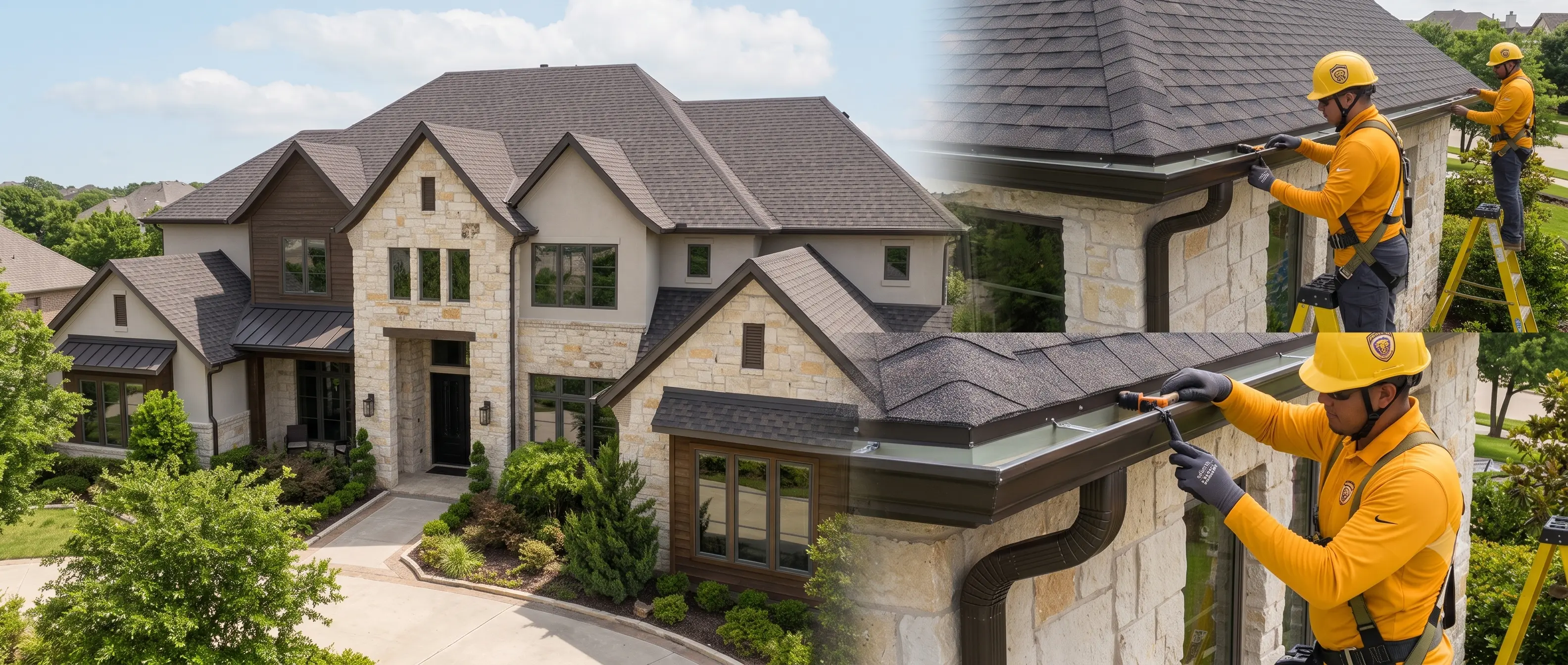
When you schedule a frisco roof inspection, ask the contractor about their experience with your specific roof type. If you have metal roofing, you want someone who has worked with that material before. If you have slate tiles, you need a contractor who understands how to handle them without cracking. The same goes for flat roof repair: not all roofers are comfortable with torch-down or modified bitumen systems. A good match between the roofer's expertise and your roof's material saves time and reduces the chance of mistakes.
Signs You Need an Inspection Right Now
You do not have to wait for a scheduled maintenance window. Some signs demand immediate attention. If you notice water stains on the ceiling or walls, that is an obvious one. But also look for:
- Curling or buckling shingles on the ground or in the gutters
- Daylight visible through the roof boards in the attic
- Mold or mildew smell in the attic, especially after rain
- Granules from asphalt shingles accumulating in downspouts
- Visible sagging or soft spots on flat roof sections
Any of these warrant a call to a professional for a full inspection before the next storm hits. Storm damage restoration is much more expensive than preventive maintenance, and it often involves tearing off sections of the roof that could have been saved.
What to Expect During the Inspection Process
A typical inspection takes about an hour for a standard home. The inspector will start on the ground, looking at the roof from all angles with binoculars. Then they will go up on the roof if it is safe, checking flashings, vents, and the condition of the shingles or tiles. Inside, they will examine the attic for signs of leaks, poor insulation, and ventilation issues. After the inspection, you should receive a written report with photos of any problem areas and recommendations for repairs or maintenance.
If the inspector finds issues, ask for a prioritized list. Some repairs, like a small leak around a vent, can wait a few weeks. Others, like a large area of missing shingles before a storm, need immediate attention. A good contractor will help you understand which repairs are urgent and which can be scheduled for later. They should also provide a clear estimate for each recommended repair.
Making the Most of Your Inspection
To get the most value from a frisco roof inspection, be present during the walkthrough. Ask questions about what they are seeing and why. That knowledge helps you make informed decisions about repairs and future maintenance. Also, keep a copy of the report for your records. It is useful for insurance purposes, warranty claims, and when selling the house.

Finally, remember that a roof inspection is not a one-time event. In the DFW metroplex, where weather can change fast, an annual inspection is a smart investment. Some homeowners do it in the spring, others in the fall. The important thing is to make it a regular part of your home maintenance routine. That way, you catch small problems before they turn into big ones, and you extend the life of your roof by years.
Whether you have asphalt shingles, metal roofing, slate tiles, or a flat roof, a professional inspection is the first step toward protecting your home. And in a place like Frisco, where the sun is strong and the storms can be fierce, that protection is worth every penny.